
Honeyguides. Our Favourite Birds...

For as long as I can remember, I had a very special place in my heart for Honeyguides. I think it started as a young Safari guide on horse trail, when one morning, a Greater Honey Guide joined my trail and lead us to a honeybee hive.
Come Explore the Fascinating World of Honeyguide Birds with me.
Honeyguide birds are remarkable avian species known for their unique relationship with humans and their extraordinary ability to locate honeybee hives. This blog delves into how these birds find hives, their specialized diet, and what makes them truly special in the animal kingdom.

How Honeyguide Birds Find Honeybee Hives
Honeyguide birds possess an incredible skill set that allows them to locate honeybee hives with impressive accuracy. Here are the key aspects of their foraging behavior:
Visual Cues: Honeyguide birds have keen eyesight and can spot the telltale signs of honeybee activity, such as the flight patterns of bees and the presence of flowering plants that attract them.
Vocalizations: These birds emit specific calls that can attract the attention of larger mammals, such as honey badgers or humans, who are also in search of honey. By following the honeyguide, these mammals can help locate the hives. So if you hear a "Victor! Victor!" in the trees...a Greater Honeyguide is calling.
Cooperative Behavior: Honeyguides often engage in a mutualistic relationship with humans, leading them to hives in exchange for a share of the honey. This behavior showcases their adaptability and intelligence.
Digesting Beeswax: A Unique Adaptation
One of the most fascinating aspects of honeyguide birds is their ability to digest beeswax, a feat not common among birds. Here’s how they manage this:
Specialized Digestive System: Honeyguides have evolved a unique digestive system that allows them to break down the complex structure of beeswax. Their intestines are adapted to extract nutrients from the beeswax.
Enzymatic Action: The birds produce specific enzymes that facilitate the breakdown of wax into simpler compounds, making it easier for them to absorb the nutrients.
Dietary Variety: While honeybee larvae and beeswax is a significant part of their diet, honeyguides also consume other insects and fruits, which provides them with a balanced nutritional intake.
What Makes Honeyguide Birds Special
Honeyguide birds are not just noteworthy for their foraging skills and dietary adaptations; they also exhibit several unique characteristics that set them apart:
Mutualism with Humans: Their cooperative behavior with humans is a rare example of interspecies collaboration, highlighting the deep connections that can exist in nature.
Ecological Role: By helping to locate honeybee hives, honeyguides play an essential role in the ecosystem, promoting pollination and the health of bee populations.
Cultural Significance: In many cultures, honeyguide birds are celebrated in folklore and traditions, further emphasizing their unique place in human history.
But they also have an unique way of reproducing...It is called Broodparasitism...
Brood Parasitic Breeding Behavior
Brood parasitism is a fascinating reproductive strategy observed in some bird species, where one species lays its eggs in the nests of another species, leaving the host to raise its young. This behavior allows the parasitic bird to conserve energy and resources that would otherwise be spent on nurturing its offspring. This behaviour is also part of our beloved honeyguides.
Mechanisms of Brood Parasitism
Typically, brood parasites will choose a host species that has similar nesting habits. They may exhibit several strategies to ensure the success of their offspring:
Egg Mimicry: Many brood parasites, such as the common cuckoo, lay eggs that closely resemble those of their host, making it difficult for the host to detect the foreign egg.
Rapid Egg Laying: Some species will lay their eggs quickly in the host's nest, often removing one of the host's eggs to prevent the host from noticing the addition.
Chick Competition: Once hatched, the parasitic chicks may outcompete the host's chicks for food and attention, often pushing them out of the nest.
Impacts on Host Species
The presence of brood parasites can significantly affect the reproductive success of host species. Some hosts may evolve defenses against brood parasitism, such as:
Egg Recognition: Developing the ability to recognize and reject foreign eggs.
Altered Nesting Behavior: Changing nesting sites or timing to avoid parasitism.
Overall, brood parasitism showcases a complex interplay between evolutionary strategies and adaptations in the avian world.
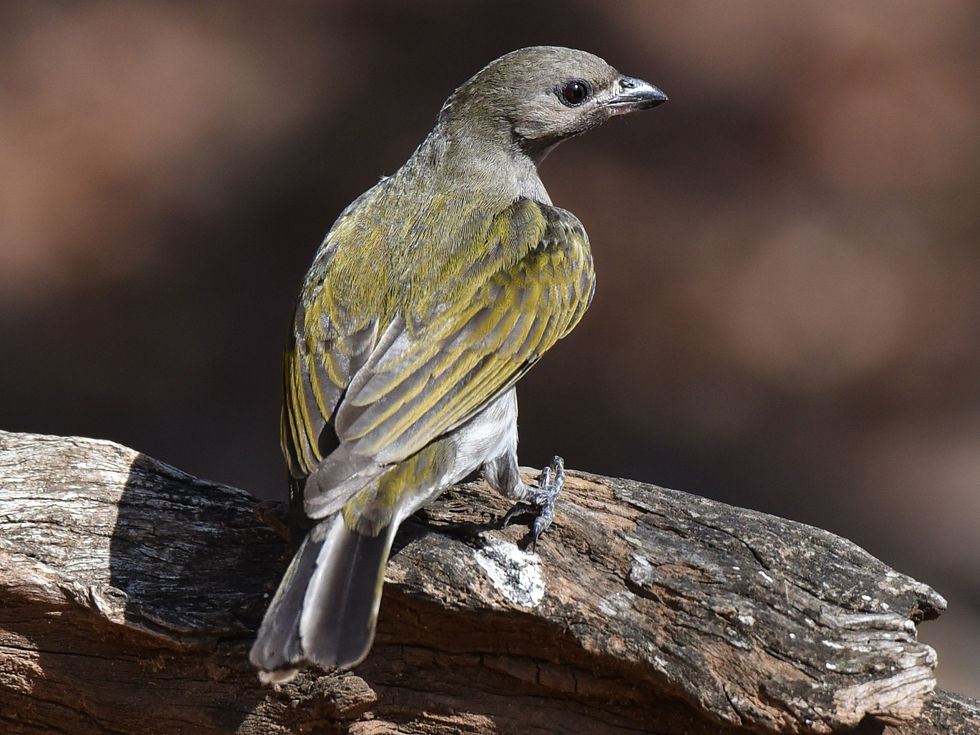
Both the 2 species depictred in the photos visit our garden in Potcheftstroom on a daily basis, and I make sure that their is always some old wax comb available for the birds. I can watch them for hours as they rip the comb apart and feed.
Honeyguide birds are a testament to the wonders of evolution and adaptation. Their remarkable ability to locate honeybee hives and digest beeswax not only showcases their unique biological traits but also illustrates the intricate relationships between species in the natural world. As we continue to study these fascinating birds, we gain deeper insights into the complexities of ecosystems and the importance of preserving these remarkable creatures.


Comments